


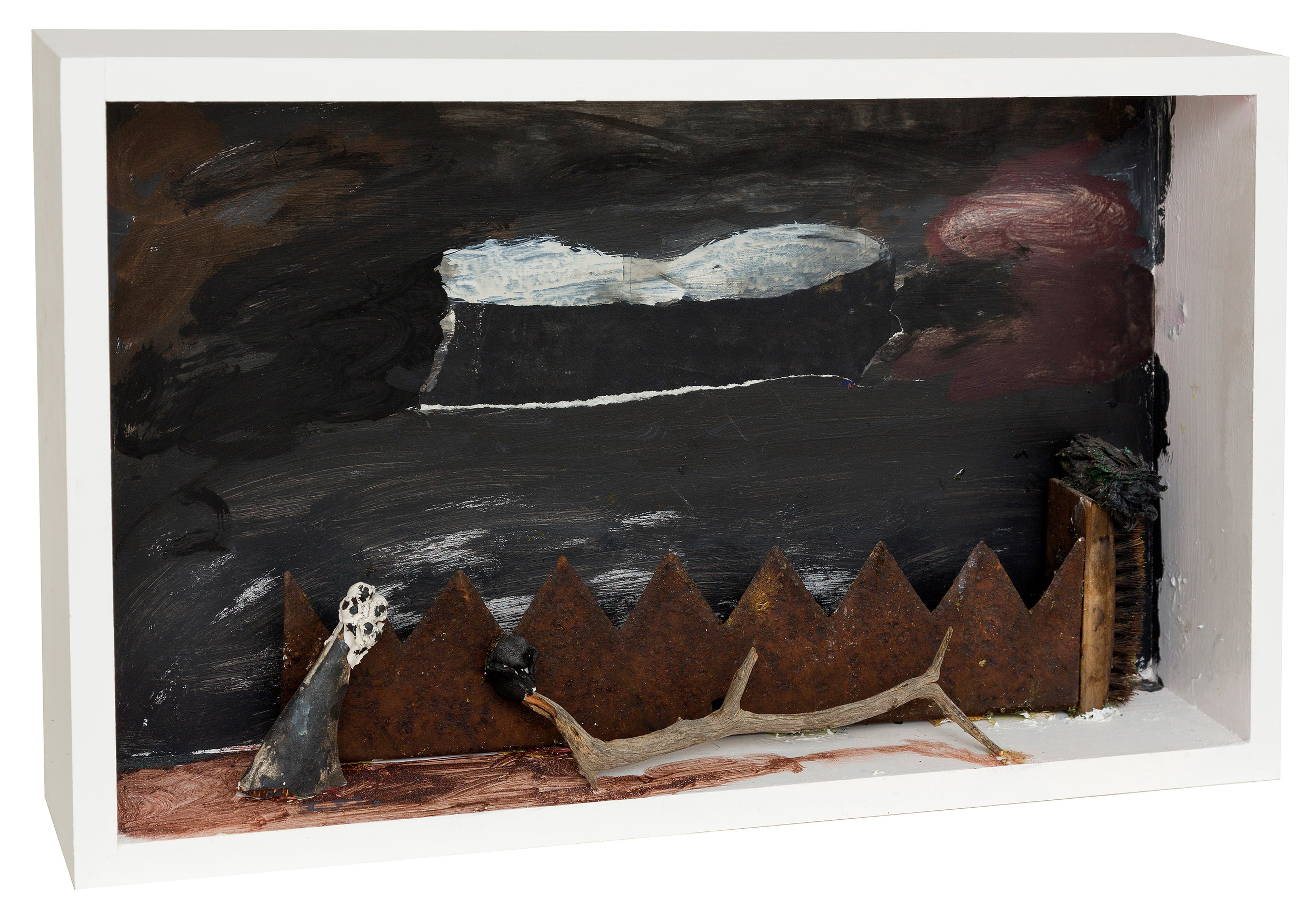
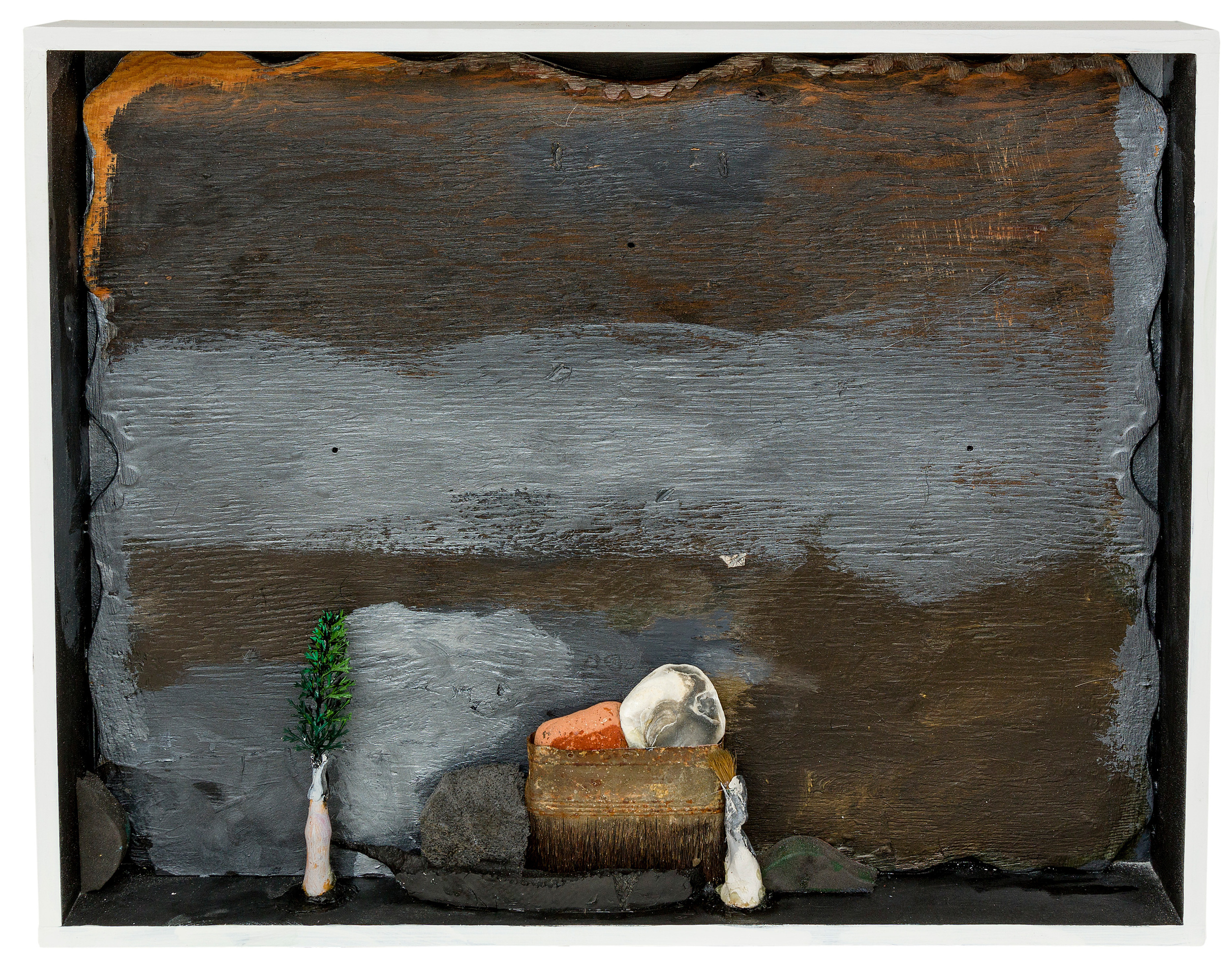


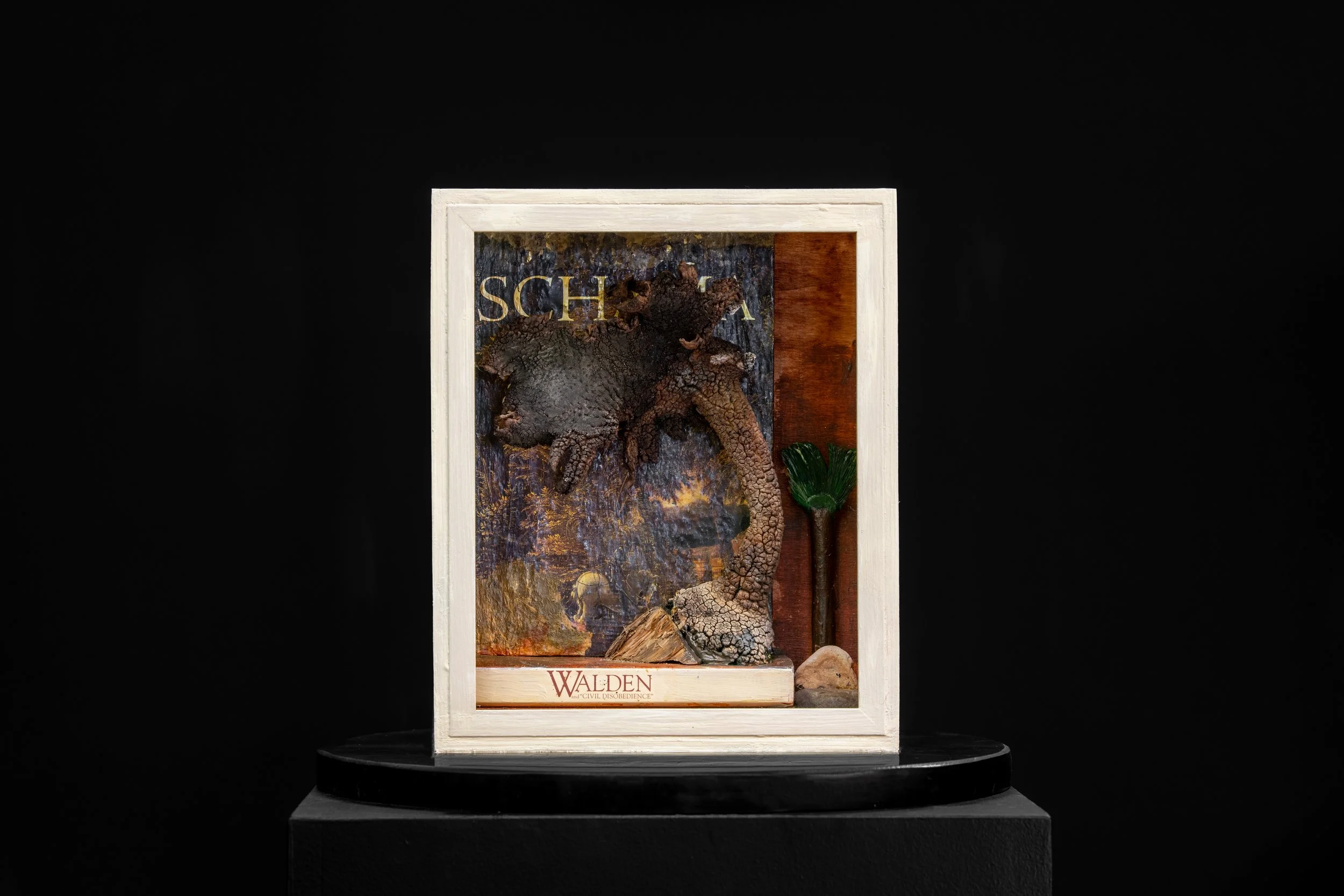
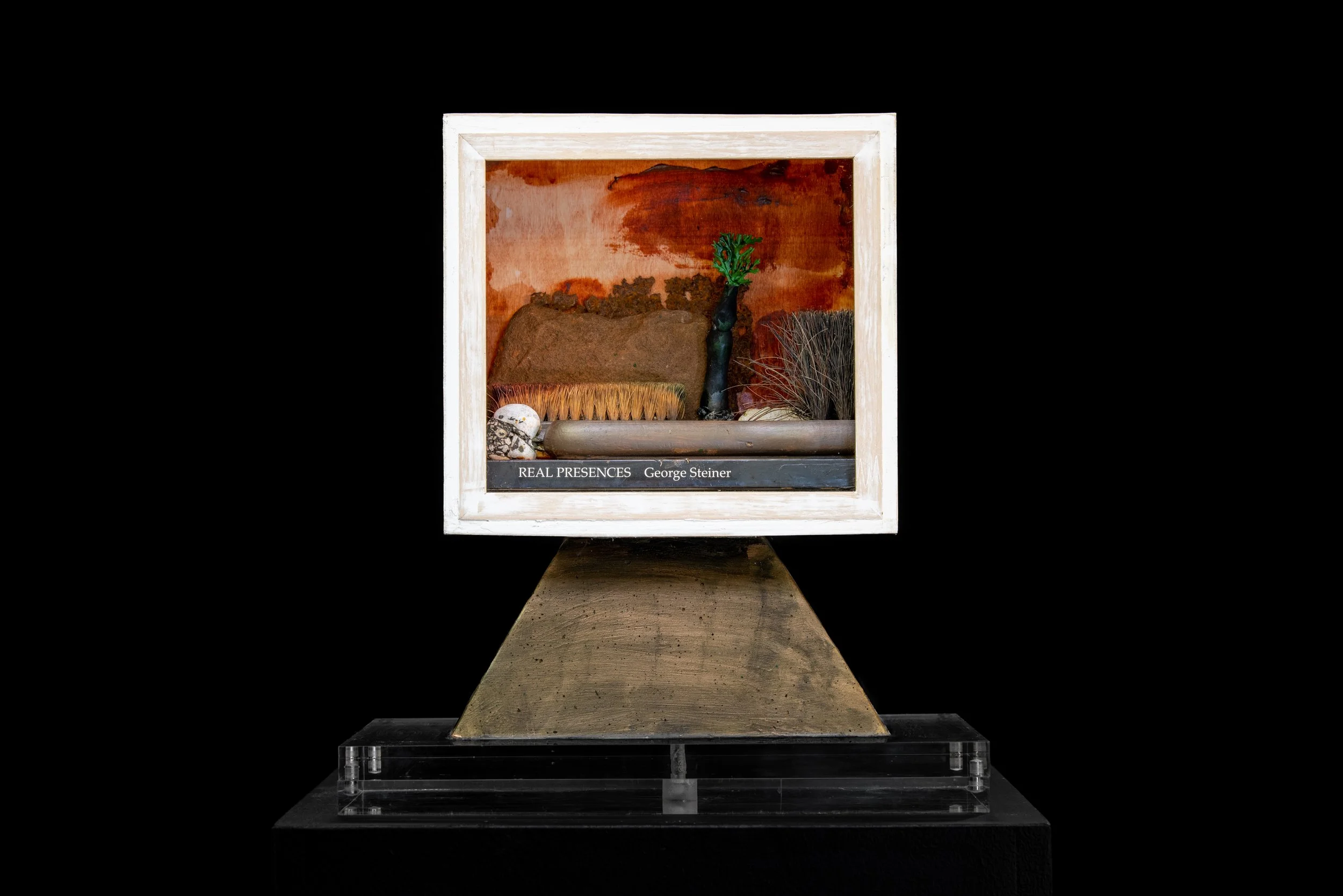
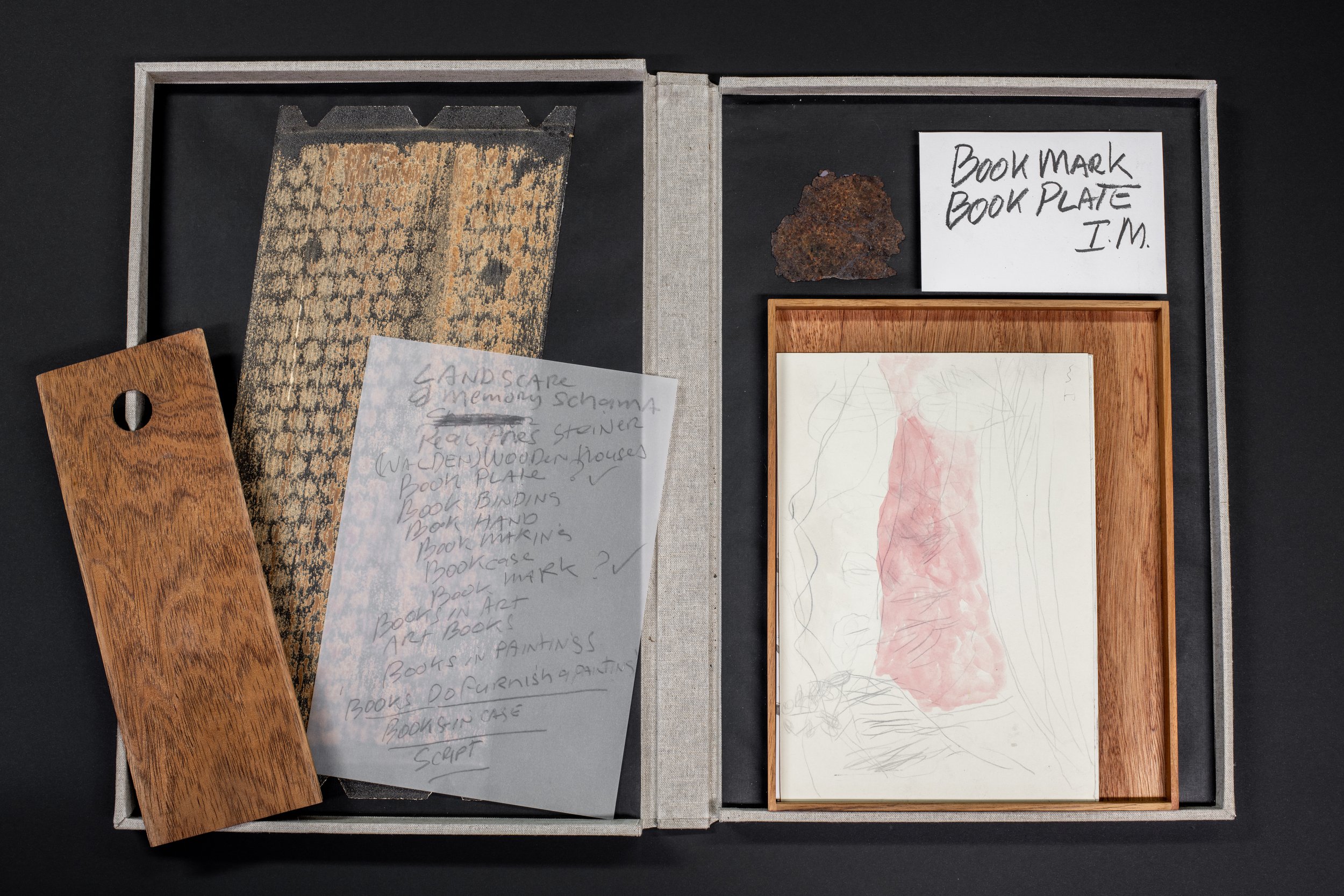
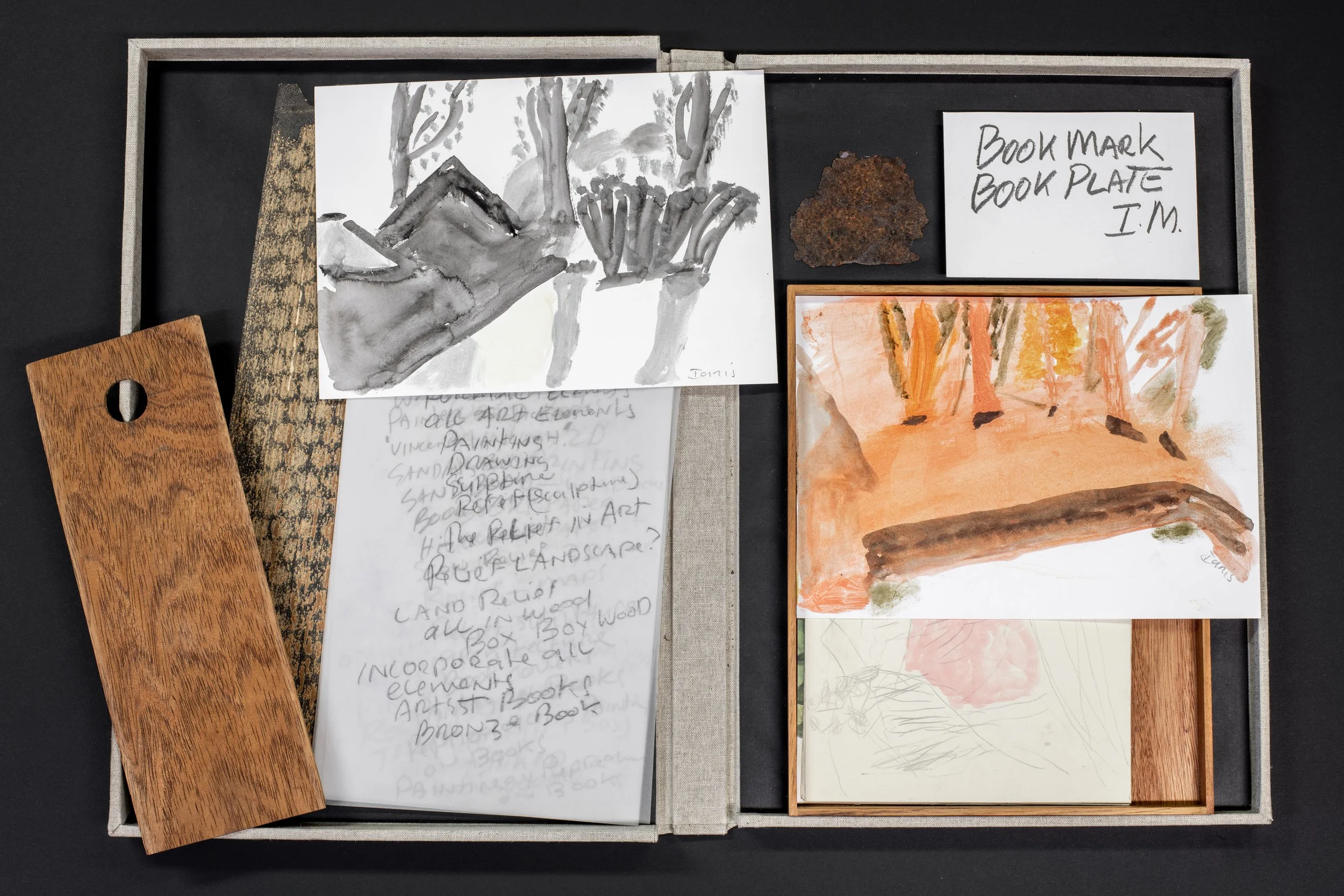
Art in the Box, of the Box, out of the Box, and the confluences of Materials.
This is a brief introduction to those works which fall under the title of dioramas, they may also be considered to be assemblages, although neither names seem to cover these works which are forms derived from the idea of land and landscape. Historically such works have been from an urbane context, still life, and or, the figure. This is not a description of the process of making the works or what they are made from, or an in-depth historical examination of the found object in art.
The approach I have taken to making these works has come together over an extended timeframe, and this is to provide a context in which they may be considered. Over this long gestation period I took into account those modernist artists ie. Picasso, Schwitters and other more contemporary artists such as the wonderfull American woman artist Betye Saar.
In some ways this idea was initiated when spending four years on the Keith and Elisabeth Murdoch Scholarship in the U.K in 1979 where I was fortunate enough to see an exhibition by the American Artist Saul Steinberg at the Serpentine South Gallery, London. I was particularly taken by some ‘assemblages’ in that collection; conceptually kicking off and renewing my experience that I had as I schoolchild visiting the Australian War Memorial and seeing the Dioramas depicting combat in the landscape, the so called ‘Picture Models’ were originally made by well respected Australian artist in the 20’s and 30’s.
However after returning to Australia in the late 1970s the main consideration was to go back and to paint in the Australian landscape and to continue my understanding of the huge impact that contemporary indigenous art was making.
Colour being a large part of my work, exploded when taking my first trips to the so called ‘outback’ of Australia especially the arid zones and desert areas.
These ‘Landscape Assemblages’, have taken at least 50 years to reach this destination.
I believe these works have a truly original aspect.
Idris Murphy